


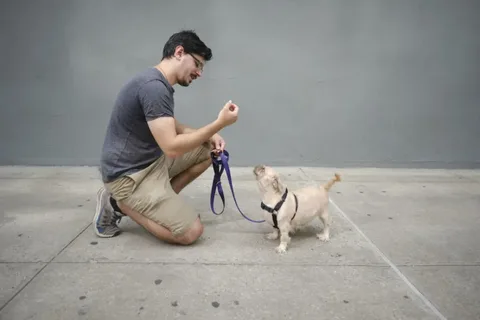
Choosing treats for training your dog goes beyond just grabbing something tasty from the pet store shelf. Many dog owners wonder, what do professional dog trainers use for treats? Since training plays a huge role in your dog’s behavior and development, it helps to know which treats work best. At Rob’s Dog Training, we believe that effective training begins with smart reward choices that get your dog excited to learn, and we’re here to share what really works.
Why Treats Matter in Training
Treats are more than snacks, think of them as tiny rewards that communicate praise, approval, and progress. When used correctly, they guide your dog into forming positive habits. Dogs respond quickly when they know something rewarding is coming, and that’s where the choice of treats becomes important.
We use treats during training sessions to:
- Encourage cooperation
- Reinforce positive behavior
- Improve focus and engagement
- Motivate dogs to learn faster
The goal is to reward good choices immediately so that your dog understands exactly what behavior you want.
Qualities Professional Trainers Look for in Treats
Training treats need to meet specific criteria. They must be:
✔ Small and Bite-Sized
Dogs learn best with repetition. Tiny treats prevent overfeeding while keeping your dog eager for more.
✔ Soft and Easy to Chew
Soft treats let your dog chew quickly and return attention to the trainer without distraction.
✔ High Value and Highly Tasty
High-value treats are extra special, something your dog doesn’t get every day. They capture attention instantly.
✔ Healthy and Nutritious
Quality ingredients matter. Natural treats help support your dog’s energy levels, digestion, and overall health.
The Different Treat Categories Used by Professionals
Here’s what experienced trainers like us often choose:
Real Meat Treats
Dogs are naturally motivated by strong scents, and real meat tops the list. Small cuts of chicken, turkey, salmon, and beef are irresistible to most dogs.
Why professionals love them:
- Packed with protein
- High scent value keeps focus sharp
- Perfect for rewarding big milestones
Natural ingredients make them a great option for dogs with sensitive stomachs.
Cheese (In Small Amounts)
Cheese may surprise you, but it’s a favorite for picky dogs. A small piece can increase excitement, especially with dogs who aren’t food-driven.
Professional tip:
Use low-sodium options and give small amounts during short training sessions.
Soft Fruits or Veggies
Some dogs respond well to naturally sweet produce. Blueberries, small apple pieces (no seeds), and soft carrots make excellent healthy training rewards.
Reasons they work:
- Low in calories
- Full of vitamins and fiber
- Ideal for weight-conscious dogs
Just be sure to avoid toxic foods like grapes, raisins, and onions.
Commercial Training Treats
We sometimes use store-bought treats designed specifically for training. These are:
- Tiny, soft, and easy to chew
- Available in strong flavors like liver or beef
- Convenient for outdoor or long training sessions
When choosing packaged treats, we look for short ingredient lists and avoid products filled with artificial colors or preservatives.
Are Hard Treats Good for Training?
Hard treats, biscuits, or crunchy snacks are great for casual rewards at home, but they’re not ideal for active training sessions. Because they take longer to chew, they interrupt the learning flow. We prefer treats that your dog can swallow quickly without distraction.
Do All Dogs Need the Same Type of Treats?
No. Every dog learns differently. Training treats need to match your pet’s personality, health condition, and motivation level. For example:
- A shy dog may need more tempting treats to gain confidence.
- A highly motivated dog may do great with healthy, low-calorie bites.
- A dog with allergies may require single-ingredient treats like dehydrated lamb or salmon.
We adjust our treat choices based on how each dog responds. Training should always fit the dog, not just the method.
When Should Treats Be Reduced?
Treats help build solid habits, but once your dog becomes consistent with commands, we slowly decrease treat frequency. Instead of giving treats for every command, we start mixing in verbal praise, toys, or affection. The goal is balanced motivation that doesn’t rely heavily on food over time.
Safety Tips When Using Treats
To keep training positive and healthy, remember to:
- Offer tiny pieces to avoid overeating
- Avoid toxic foods (like chocolate, grapes, onions, and xylitol)
- Check ingredients for artificial additives
- Monitor your dog’s weight if training frequently
- Provide water during longer sessions
A mindful treat strategy keeps your dog happy, healthy, and engaged.
How We Use Treats at Rob’s Dog Training
Our approach is simple: choose treats your dog finds valuable, use them strategically, and pair them with consistent guidance. Treats are tools, and smart use creates faster progress and clearer communication.
With personalized training methods, we help your dog understand expectations through positive reinforcement, patience, and well-timed rewards. Every dog deserves to succeed, and proper treat selection plays a big role in that success.
Final Thoughts
Knowing what do professional dog trainers use for treats? helps you make better choices that support your dog’s development. At Rob’s Dog Training, we rely on high-value, healthy, bite-sized treats alongside patience and encouragement to shape good behavior. If you’re ready to see positive growth in your dog’s training journey, we’re here to guide you every step of the way. Visit us anytime at https://robsdogs.com/ to learn more.
